Australian producers are under increasing pressure to maintain productivity while improving the health of their land. With rising input costs, climate variability, and tighter margins, farmers are looking for practical strategies that strengthen both business performance and long-term resilience.
Sustainable grazing – particularly models like rotational or cell grazing – is proving to be one of the most effective levers for improving profitability while protecting natural assets.
In this blog, we look at how sustainable grazing impacts farm profitability, supported by industry-backed insights and on-farm data trends.
Why Grazing Management Matters More Than Ever
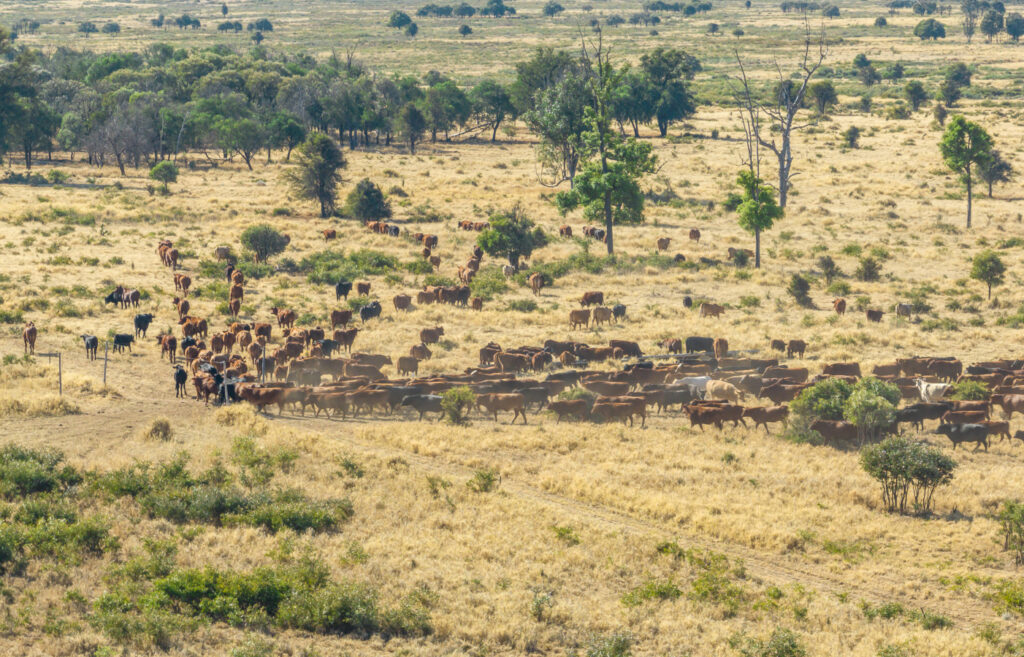
Across regional Australia, grazing systems face a suite of challenges: pasture decline, soil compaction, variable rainfall, and fluctuating livestock markets. Traditional set-stocked grazing often leads to uneven pasture utilisation, lower feed quality, and reduced carrying capacity over time.
Sustainable grazing systems, on the other hand, focus on:
• Allowing pastures adequate recovery
• Improving ground cover and root strength
• Increasing soil carbon and water-holding capacity
• Matching stocking rates to seasonal conditions
• Using data to make more responsive grazing decisions
These changes don’t just improve paddock health – they translate directly into measurable financial improvements.
The Data: How Sustainable Grazing Improves Profitability
1. Better Feed Utilisation Reduces Supplement Costs
MLA and NSW DPI research shows that structured grazing rotations can significantly improve pasture utilisation and persistence. More consistent feed availability reduces reliance on purchased supplements – one of the biggest cost centres in livestock production.
Producing more of your own high-quality feed is the most reliable way to reduce per-head costs.
2. Higher Stocking Capacity Over Time
Healthy pastures support higher carrying capacity without increasing pressure on land. Many producers who have transitioned to more structured grazing rotations report:
• Improved pasture resilience during dry spells
• Increased stocking rates of 10 – 25% over several years
• More even grazing across paddocks, reducing weed pressure
More animals on the same land – when managed sustainably – means greater income potential.
3. Enhanced Livestock Productivity
Healthier pastures and improved animal condition often lead to:
• Faster weight gain
• More consistent joining results
• Lower disease incidence
• Reduced need for supplementary feeding
Producers tracking performance metrics such as 30-day weight gains or kilograms of product per hectare commonly observe noticeable lifts after implementing rotational or cell grazing.
4. Reduced Soil Erosion and Improved Moisture Retention
Ground cover and deep-rooted pastures significantly improve water infiltration. According to CSIRO modelling, even a 10% increase in soil carbon can boost water-holding capacity by up to 40,000 litres per hectare.
This means better pasture growth after rainfall events – an advantage that directly links to increased productivity and reduced drought vulnerability.
5. Long-Term Asset Protection
Land is one of a farmer’s most valuable assets. Sustainable grazing helps:
• Prevent pasture degradation
• Maintain productive soil structure
• Support biodiversity beneficial to pasture growth
• Reduce rehabilitation costs
Healthy country appreciates in value and ensures long-term operational viability.
Practical Steps for Implementing Sustainable Grazing
Whether you run sheep, cattle, or mixed enterprises, the pathway to more sustainable grazing looks similar:
1. Start With Paddock Assessment
Evaluate current ground cover, pasture species, erosion risks, and grazing pressure. Mapping tools or digital farm records make this easier and help track change over time.
2. Introduce Grazing Rotations
A simple shift from set-stocking to managed rotations can deliver early gains:
• Short grazing periods
• Longer rest periods
• Match stocking rate to seasonal growth
3. Track Livestock Performance
Monitor data such as:
• Weight gain
• Conception rates
• Mortality or loss events
• Feed consumption
These indicators help quantify the financial benefits of improved grazing.
4. Use Technology to Support Decision-Making
Modern farm software, mapping tools, and digital livestock records make it easier to assign tasks, track movements, compare animal groups, and analyse performance. These insights help refine grazing plans month by month.
5. Review Annually and Adjust
Small adjustments each season compound into significant long-term benefits.
What Success Looks Like on Australian Farms
Producers who adopt structured, sustainable grazing often report:
• Improved pasture resilience in both wet and dry years
• Lower supplementary feeding costs
• Higher livestock performance due to more consistent nutrition
• A clearer understanding of farm profitability through better data
• Greater confidence in making stocking and land-management decisions
Sustainable grazing isn’t just good for the environment – it’s good business.
For Australian farmers, sustainable grazing is one of the most reliable ways to balance profitability with long-term land stewardship. By improving soil health, boosting livestock productivity, and enhancing carrying capacity, producers can build more resilient operations capable of weathering seasonal variability and market shifts.
The data is clear: when the land thrives, the business does too.
Ready to see how Phoenix can work for your grazing needs? Download a FREE Trial now.