Farm succession planning is a crucial aspect of ensuring the continuity and prosperity of family farms in Australia. The unique challenges and opportunities in the agricultural sector make it essential for farmers to embark on a strategic and well-thought-out succession plan early, rather than leaving it to the last minute. We delve into key considerations for successful farm succession planning, and gain valuable insights from Phoenix by AgData customer, Andrew Rice, who’s previously navigated the farm succession planning process. In addition, Andrew also assists his own customers in this endeavour through his consulting business, ASPIRE Agri.
Before we dig into the details, Andrew has shared his top three tips for a successful farm succession planning outcome, including:
1. Communication. Talk openly with other family members about plans and ensure the approach has support from all family members.
2. Allow Sufficient Time. The process can take many years. Rushing through too quickly often has disastrous outcomes.
3. Don’t Outsource All Aspects. There are benefits in retaining ownership and control over the process. Outsourcing can be very expensive, and done too quickly, reduces the ownership of the process and outcomes and does not support the ongoing succession process (review and subsequent generations).

Starting Farm Succession Planning Early
One of the most common pitfalls in farm succession planning is procrastination. To ensure a smooth transition of ownership and management, it’s imperative to start the process early. Unexpected events can happen at any time, and without a succession plan in place, it can leave families in turmoil, unsure of what to do next.
“My family and I started succession planning when I finished university and entered the workforce in 1992. This was prompted by what I was seeing through my work – lots of heartache with lack of succession planning, compounded by a very tough business operating environment for agriculture (high interest rates, poor livestock prices – especially sheep, wool, and drought at that time),” says Andrew.
Succession planning is not a one-time event; it is a gradual, ongoing process that requires careful consideration, preparation, and flexibility. Beginning early allows for the identification and resolution of potential issues, fostering a sense of preparedness among both the current and future generations. This sentiment is echoed by Andrew, who mentions, “Our farm succession planning took a long time (from 1992- 2012) and is still evolving.”
Stakeholders
Identifying and engaging the right stakeholders is fundamental to the success of any farm succession plan. In the context of family farming, stakeholders extend beyond the immediate family members to include advisors and legal representation. Open and transparent communication with all stakeholders is essential for garnering support and addressing concerns. Involving everyone in the decision-making process can lead to a more inclusive and effective succession plan. “We started with just family members and our accountant. Over time we also engaged legal advice,” says Andrew.
Andrew also comments that it’s important to only engage professionals that:
- have support from all family members.
- are prepared to allow open communication between all parties.
- are prepared to allow sufficient time for the process to happen instead of rushing through it.
- additionally, don’t outsource all aspects. Ensure you retain ownership and control over the process

Goals and Objectives
Clearly defining goals and objectives is a critical step in the succession planning process. For example, what are the long-term aspirations for the farm? What are the aspirations and expectations of family members? Is there a set timeframe that family members wish to retire and hand over management?
Establishing a shared vision among family members ensures that the succession plan aligns with the overarching goals of the farming business. Additionally, setting concrete objectives provides a roadmap for the transition, helping to measure progress and success along the way.
Financial Options
Succession planning often involves navigating complex financial considerations, such as valuing the farm, evaluating tax implications, or exploring funding mechanisms like loans. Additionally, some family members may not wish to participate in running the farming business but are still entitled to financial compensation. Assessing the financial health of the farm and exploring various options for transferring assets are crucial steps in this process.
Seeking the guidance of financial experts and legal professionals can help navigate the intricacies of these financial decisions, ensuring a seamless transition without jeopardizing the farms economic stability.
Furthermore, ensuring all parties have access to farm business information is critical for fostering trust and facilitating a comprehensive understanding of the ongoing day-to-day operations, costs and income involved. The Rice family have used Phoenix Financials since 2000, which includes features such as recording livestock numbers and weights, fuel tax credits, and budgeting. “Sharing access is the first step to sharing the knowledge. Phoenix Live has been pivotal with this for our business, allowing involved parties to have access to all financial information creating transparency,” says Andrew.
Establish A Management Plan
A well-defined management plan is essential for a successful farm succession. This includes delineating roles and responsibilities for both the retiring and incoming generations. Clearly outlining the decision-making processes, operational responsibilities, and expectations for each party helps prevent conflicts and ensures a smooth transition. The management plan should be flexible enough to adapt to changing circumstances while providing a solid framework for continuity.
Communication is Key
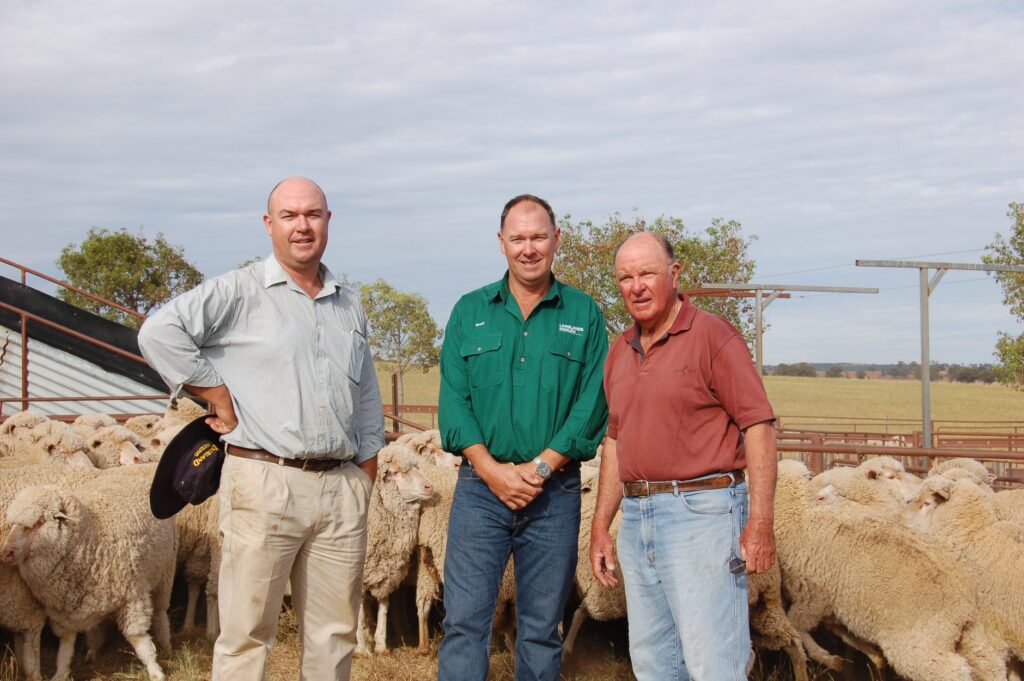
Communication is the glue that holds a successful succession plan together. Many aspects of the process can be difficult and at times emotional. Open and honest communication among family members is paramount. Regular family meetings, facilitated by a third party, if necessary, can provide a forum for discussing concerns, sharing perspectives, and finding common ground. Establishing effective communication channels with other stakeholders, such as employees and advisors, fosters a collaborative and supportive environment during the farm succession planning process. It’s also important to remember that each family’s position is different and therefore your outcome will be different.
Andrew mentions from both his personal and business experiences, that “a key aspect to overcoming difficulties is communication and allowing sufficient time for family members to explore, develop their position and negotiate.”
Review and Update Regularly
The agricultural landscape is dynamic, and family dynamics evolve over time. Regularly reviewing and updating the succession plan ensures its relevance and effectiveness. Changes in market conditions, family circumstances, or regulatory environments may necessitate adjustments to the plan. By scheduling periodic reviews, the family can proactively address any emerging challenges and capitalise on new opportunities, ensuring the continued success of the farm for generations to come. “Succession planning is not an event, rather an ongoing process, hence needs updating,” says Andrew.
By taking these steps, Australian farmers can pave the way for a seamless transition, preserving the legacy of their farms and nurturing a thriving agricultural future.
Download a copy of our Family Farm Succession Planning Checklist as a valuable resource to refer to.
If you’d like a free trial of Phoenix by Agdata, please click here to download your trial. If you have any questions on how Phoenix by AgData may be useful for use in your farm succession planning, please reach out to our Tech Support Team here.