In today’s fast-changing agricultural landscape, successful farming is no longer just about hard work in the paddock. It’s also about making smarter decisions – and the key to those decisions lies in your data. For Australian farmers, integrating data across livestock, cropping, equipment, and operations is becoming not just a modern convenience but a competitive advantage.
The Power of Integrated Farm Data
Australian farms are increasingly complex. From managing diverse enterprises like cropping and livestock to tracking inputs, rainfall, and yields across multiple properties, the volume of data generated on-farm can be overwhelming. That’s where integrated data systems come in.
By centralising information across all aspects of the farm – paddocks, machinery, rainfall, livestock performance, and financials – farmers gain a clearer picture of what’s really happening. Rather than having your records spread across notebooks, spreadsheets, or separate apps, everything is in one place, working together to help you make real-time, evidence-backed decisions.
Why it Matters: Real-World Benefits for Australian Farmers
For Australian producers dealing with unpredictable weather patterns, fluctuating markets, and ever-increasing compliance demands, integrated data isn’t just “nice to have” – it’s essential. Here’s how it helps:
Better decisions, faster: Whether it’s deciding when to spray or identifying underperforming paddocks, having all your data in one place gives you the confidence to act quickly and accurately.
Time savings: No more chasing bits of paper or switching between apps. Everything from livestock weights to input costs can be tracked in one system.
Improved compliance: Easily meet auditing and traceability requirements by keeping accurate, up-to-date records.
Stronger financial control: Track cost of production by enterprise, analyse profitability by paddock, and make informed budget decisions.
More resilient operations: Use historical data to plan rotations, benchmark yields, and adapt to changing seasonal conditions.
Getting Started with Farm Data Integration
If you’re just starting out, it can feel overwhelming. Here’s a simple path forward:
- Start Small: Focus on one or two key areas, like rainfall tracking or livestock records. Get comfortable before adding more layers.
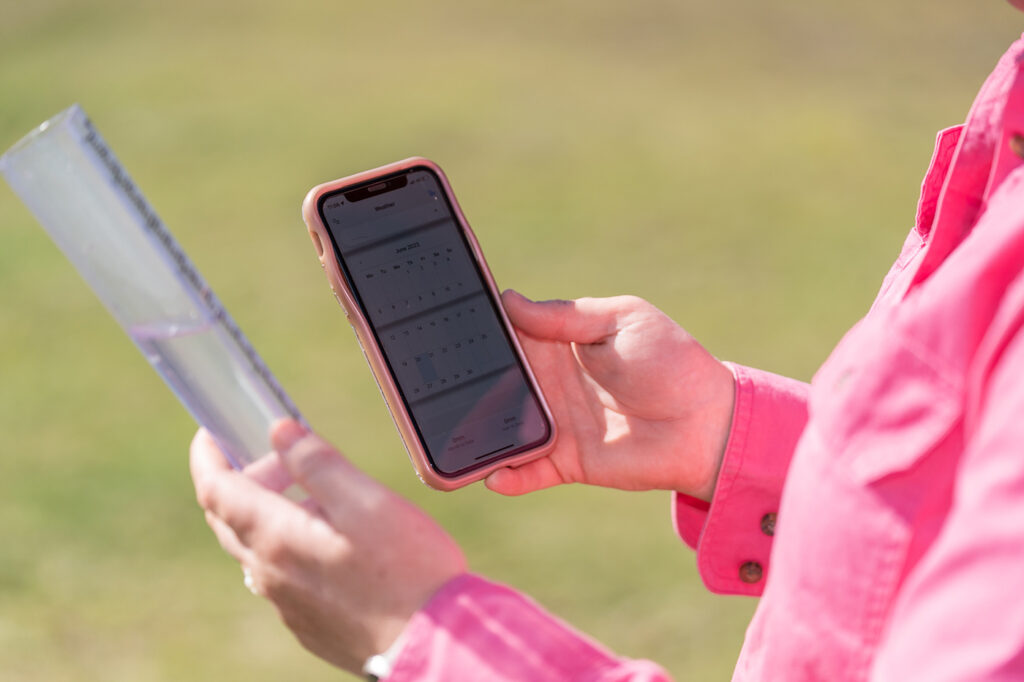
- Use What You Already Have: Many farmers already have a wealth of data from machinery consoles, rainfall gauges, spreadsheets, or ag tech apps. The key is connecting it.
- Choose Systems That Talk to Each Other: Look for farm management platforms that integrate financial and budgeting tools, weather, and inventory management to avoid duplication.
- Make It Routine: Set time aside each week or month to input and review your data – treat it as essential as checking the rain gauge or water troughs.
It’s Not About the Tech – It’s About the Outcome
You don’t need to be a tech expert to benefit from integrated farm data. The goal isn’t to collect more data – it’s to use the data you already have to make better decisions, reduce stress, and improve your bottom line.
Smarter farming doesn’t mean replacing experience and intuition – it means enhancing them with better information. And it all starts with getting your data in one place.
Want to Take the Next Step?
Download a free trial or learn more about Phoenix here.